Smart home devices are designed to make everyday living more convenient, secure, and efficient. From lighting and heating to security and entertainment, these devices use internet connectivity to automate tasks and give users full control over their homes.
With a wide range of products available on the market, homeowners can customise their smart home setup based on their needs and budget. Whether you are starting with a single device or building a fully connected system, smart technology offers flexible and scalable solutions for modern living.
Below are some of the most popular categories of smart home devices, along with real-world examples that demonstrate how these technologies are used today.
Smart Lighting
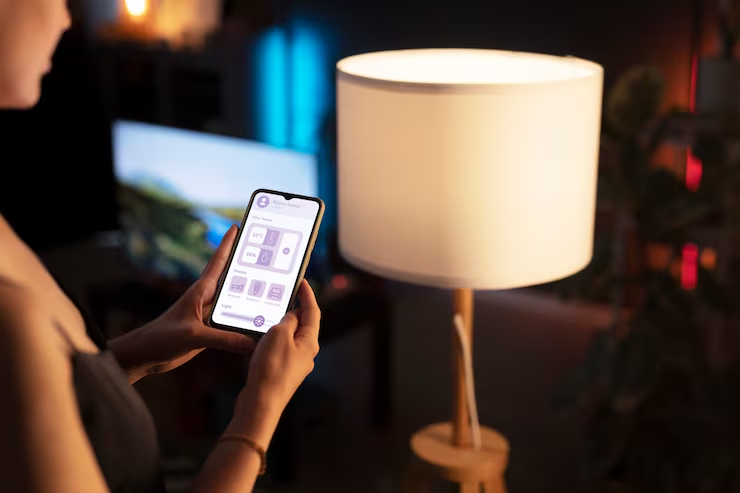
Smart lighting systems allow users to control brightness, colour, and scheduling through mobile apps or voice commands. Lights can be programmed to turn on at sunset, dim during movie time, or switch off automatically when no one is in the room.
These systems also improve energy efficiency and can enhance home security by simulating occupancy when you are away.
Examples:
LIFX Smart Bulb – Does not require a hub and provides vibrant colour options
Philips Hue Smart Bulbs – Offers customisable colours, brightness control, and app integration
Smart Home Security Systems
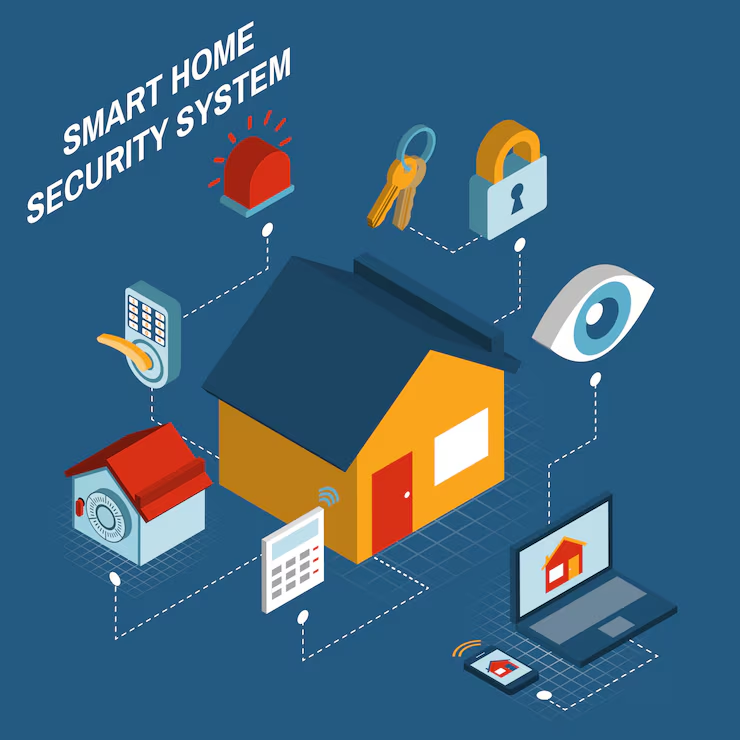
Smart security systems include cameras, video doorbells, motion sensors, alarms, and smart locks. These devices provide real-time monitoring and instant alerts, allowing homeowners to stay connected to their property at all times.
Users can view live footage, receive notifications, and communicate with visitors remotely through their smartphones.
Examples:
Arlo Pro 4 Security Camera – Offers high-definition video and motion detection alerts
Ring Video Doorbell – Allows users to see and speak to visitors from anywhere
Smart Thermostats
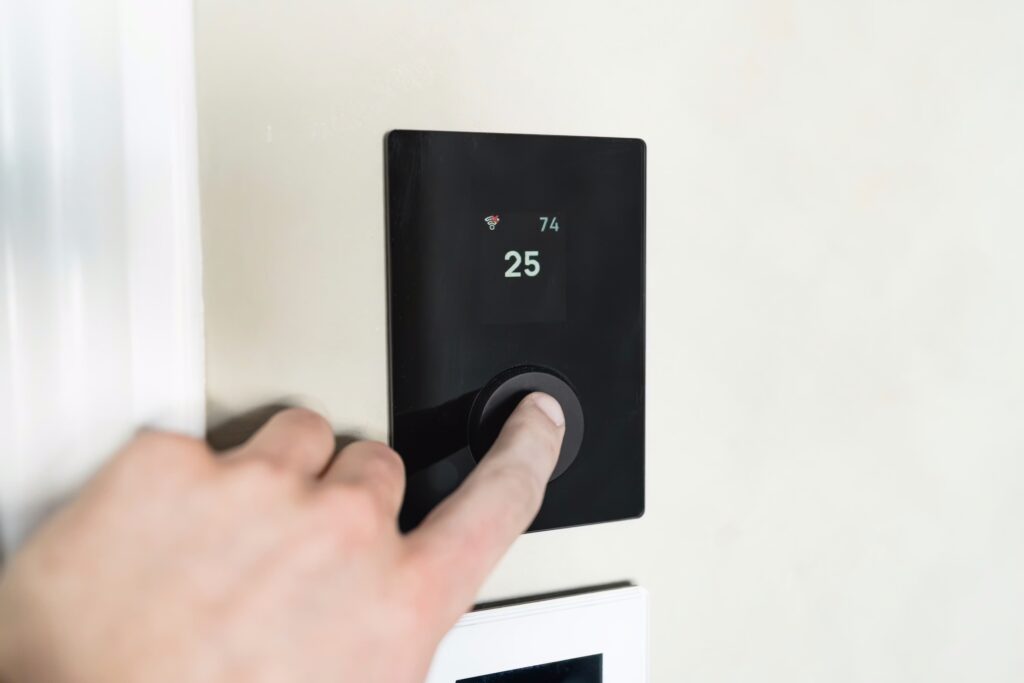
Smart thermostats help regulate home temperature by learning user behaviour and adjusting settings automatically. They reduce energy waste while maintaining comfort, making them both cost-effective and environmentally friendly.
These devices can also be controlled remotely and provide insights into energy usage.
Examples:
Ecobee SmartThermostat – Includes built-in voice assistant features and room sensors
Google Nest Learning Thermostat – Learns your schedule and optimises heating and cooling
Voice Assistants
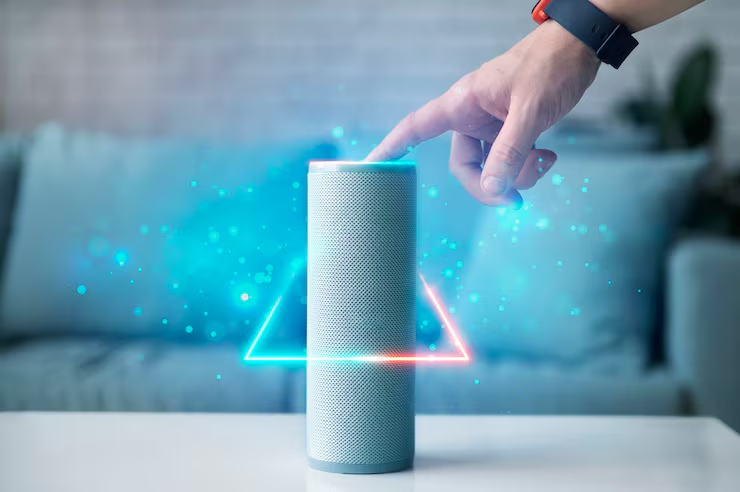
Voice assistants act as the central control system of a smart home, allowing users to manage multiple devices through simple voice commands. They also provide additional features such as music playback, reminders, and real-time information.
Examples:
Google Nest Hub – Combines voice control with a visual interface for added functionality
Amazon Echo (4th Gen) – Enables voice control of smart devices and entertainment
Smart Plugs and Appliances
Smart plugs and appliances allow users to control traditional devices remotely and automate their operation. This is a simple and affordable way to start building a smart home system.
Examples:
- TP-Link Kasa Smart Plug – Allows remote control and scheduling of appliances
- Samsung SmartThings Hub – Connects and manages multiple smart devices in one system
Integration and Compatibility
One of the key strengths of smart home technology is integration. Most smart devices can be connected and controlled through a single platform, allowing them to work together seamlessly.
For example, when a smart lock is activated, lights can turn on automatically, and security cameras can begin recording. This creates a fully automated and personalised home environment.
When choosing devices, it is important to ensure compatibility between products. Many devices are designed to work within specific ecosystems, so selecting compatible products will ensure a smoother and more reliable experience.
Smart home devices are transforming modern living by combining convenience, security, and efficiency. With a wide variety of products available, users can create a system that suits their lifestyle and needs.
Whether starting with a single smart bulb or building a fully integrated system, smart home technology offers endless possibilities for improving everyday life.